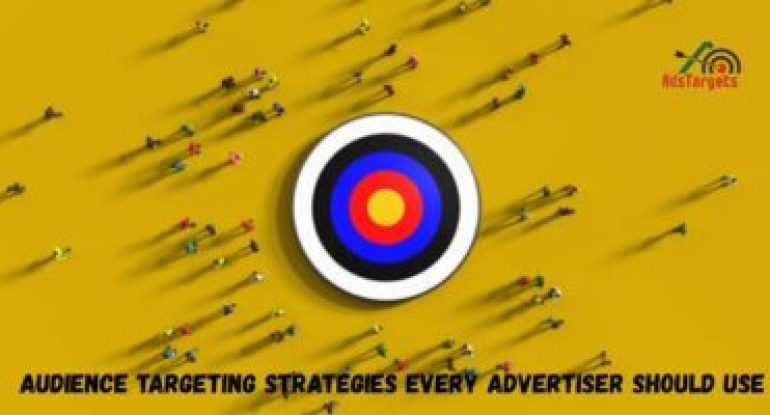
Studies show that targeted ads deliver powerful results—generating 5.3× higher click-through rates (CTR) than non-targeted ads. Even more impressive, 37% of social media users make purchases directly from targeted ads. That’s the kind of impact precise targeting can have on your bottom line.
But here’s the truth: if you don’t know how to apply the right targeting strategies, you can burn through your ad budget fast with little to show for it. Great targeting isn’t just about selecting an audience—it’s about understanding user behavior, refining your message, and matching the right ad to the right person at the right moment.
That’s why this guide breaks down highly effective targeting strategies you can use to elevate your campaigns across multiple platforms.
Inside, you’ll learn:
How to apply targeting strategies effectively on different ad platforms
Practical methods to implement each strategy
Expert insights and insider tips to help you avoid common mistakes
If you’re ready to increase ad performance, reduce wasted spend, and run campaigns that actually convert, this guide will help you get there.
What Is Targeted Advertising?

Targeted advertising is a smarter, more precise way of running ads. Instead of showing your message to everyone and hoping something sticks, you deliver ads to people based on who they are, what they like, and how they behave online. This includes demographics, interests, browsing habits, purchase history, and even the type of content they consume.
The goal is to put your ads in front of the people most likely to care.
When you use strong targeting strategies, your ads feel more relevant, your engagement goes up, and your conversions naturally improve. Instead of wasting money on audiences that will never take action, you focus your budget on users who already show signs of interest or intent.
With the right targeting strategies, advertisers can fine-tune their campaigns, reduce wasted spend, and create highly personalized ad experiences that resonate with the audience.
Think of it as the difference between shouting into a crowd and speaking directly to someone who actually wants what you’re offering.
Best Ad Targeting Strategies

When it comes to getting your ads in front of the right people, mastering the right targeting strategies is everything. It’s the difference between wasting your ad budget on random clicks and actually reaching the audience that’s ready to engage, subscribe, or buy from you.
Using smart targeting strategies helps you cut through the noise, speak directly to the people who matter most, and ultimately increase your ROI. From narrowing down audience interests to analyzing user behavior, these techniques help you serve ads that feel relevant, timely, and personalized — not intrusive or irrelevant.
Let’s break down the most effective, practical targeting methods you can start using right now to boost engagement, improve conversions, and make every kobo of your ad spend count.
#1. CAPITALIZE ON YOUR BEST-SELLING CONTENT
One of the smartest targeting strategies you can use is doubling down on what’s already working. Instead of spreading your ad budget thin, focus on promoting your top-performing content or best-selling products — the ones your audience has already proven they love.
Here’s how to make this move even more powerful:
• Highlight your proven winners:
Dive into your analytics to see which products or posts consistently draw attention. These insights help you target users who are already behaving like your ideal customers, boosting engagement and maximizing ROI.
• Build fresh content around your top sellers:
Create blog posts, social ads, videos, or email campaigns that spotlight these best-sellers. When people already respond well to something, amplifying it across multiple channels helps you pull in even more interested buyers.
• Partner with influencers who fit your niche:
Influencers can widen your reach quickly. When they endorse your best-selling items, their audience gets curious — and your brand instantly becomes more credible and visible.
#2. STEAL YOUR COMPETITOR’S AUDIENCE (LEGALLY AND STRATEGICALLY)

Another highly effective targeting strategy is going after people who are already engaging with your competitors. These users are already interested in what you offer — they just haven’t chosen you yet.
Here’s how to pull them in:
• Use competitor keyword targeting:
Bid on keywords your competitors are ranking for. With the right tools, you can monitor their top terms and redirect searchers to your own product pages or ads.
• Engage with their audience on social media:
Watch how their followers interact, jump into relevant conversations, and offer something more valuable. Sometimes users just need a better option to switch brands.
• Create a stronger value proposition:
Study what your competitors do well — and where they fall short. Then craft a clearer, more irresistible offer. Highlight why your product is the upgrade they’ve been missing.
#3. TARGET PEOPLE BASED ON MAJOR LIFE EVENTS
Life events change buying habits. Weddings, relocations, graduations, childbirth, new jobs — they all trigger fresh needs and new spending patterns. With the right targeting strategies, you can reach people right when they’re most receptive.
Here’s how to leverage these moments:
• Use audience insights to detect life events:
Platforms like Facebook and Google collect data based on behaviors that often signal life changes. Use these insights to reach users at the perfect time.
• Build custom life-event audiences:
Set up audience segments specifically for users experiencing things like engagements, moving homes, or becoming parents. These segments tend to convert extremely well because the ads feel timely and relevant.
• Tailor your message to their needs:
Speak directly to what they’re going through — offer solutions, support, or helpful products that make sense for their current situation. Relevance is everything.
#4. CREATE HIGHLY SPECIFIC CUSTOM AUDIENCES

Custom audiences are a goldmine when it comes to precision targeting. They allow you to show your ads to the exact people who have interacted with your brand — and are therefore more likely to convert.
Here’s how to get the best results:
• Use your customer lists and behavior data:
Import your existing customer database or track users who’ve visited certain pages on your site. These warm audiences respond far better to targeted ads than random cold traffic.
• Take full advantage of Facebook Custom Audiences:
Retarget users who watched your videos, engaged with your posts, or added items to their cart. These are high-intent users who just need a reminder to come back.
• Continuously refine your segments:
Analyze performance, split test different groups, and adjust based on results. The more refined your audience, the more efficient your ad spend becomes.
#5. USE GRANULAR, HYPER-FOCUSED TARGETING
If you want to get extremely precise with your ads, granular hyper-focused targeting is one of the sharpest targeting strategies you can apply. It helps you zoom into niche audience groups that match a very specific profile — and that precision often results in stronger engagement and higher conversions.
Here’s how to make this strategy work in your favor:
• Segment by behavioral triggers:
Watch how users behave — repeated product page visits, consistent interest in a topic, or regular engagement with certain content. These behaviors reveal warm prospects who are closer to taking action.
• Layer multiple targeting criteria:
Combine different data points such as device type, online activities, purchase behavior, or browsing patterns. This layered approach creates small but highly relevant segments, making your ads feel more personal and increasing click-through rates.
• Personalize ad creative for niche segments:
When you’re targeting a very specific group, your messaging and visuals should match their interests, needs, and motivations. Tailored creative often leads to higher engagement and better conversions.
#6. EXCLUDE NEW CUSTOMERS

Sometimes, your ads perform better when you intentionally leave out new customers. Excluding first-time users allows you to focus your campaigns on warm leads — people who already know your brand but haven’t converted yet.
Here’s how to take advantage of this strategy:
• Target warm leads first:
Focus your ads on users who have visited your site, interacted with your content, or added items to their cart but didn’t make a purchase. These users only need the right nudge.
• Segment your audiences thoughtfully:
Divide your audience into new, returning, and high-intent groups. This way, you can create campaigns specifically designed for users who are already halfway down your funnel.
• Push loyalty and upsell campaigns:
Create ads that reward returning customers, highlight premium products, or offer exclusive deals. This approach strengthens trust, boosts repeat purchases, and lifts overall revenue.
#7. IMPROVE YOUR AD COPY AND VISUALS
Your ad visuals and messaging are often the first impression people get of your brand — and weak creative can kill engagement instantly. Continuously improving your ad copy and images ensures your campaigns stay sharp and high-performing.
Here’s how to enhance your creative:
• Test different messaging styles:
Try various angles — educational, emotional, humorous, or direct. Use insights from Ads Manager to see what resonates most with each audience segment.
• Match visuals to your audience:
Use demographic targeting to tailor your images or videos to specific age groups, interests, or locations. When people see visuals that reflect them, they pay attention.
• Optimize for all devices:
Your ads should look great whether they’re viewed on mobile, desktop, or tablets. Adjust text size, image cropping, and layout so nothing gets cut off or distorted.
#8. A/B TEST EVERYTHING
A/B testing remains one of the most important targeting strategies for improving performance. By testing variations of your ads, you can see which headlines, visuals, formats, or calls-to-action your audience responds to the most.
Here’s how to use A/B testing effectively:
• Experiment with multiple elements:
Try different images, ad copy, colors, CTAs, and even audience groups. Small changes can reveal what truly motivates your audience.
• Make data-driven decisions:
Use tools like Facebook Ads Manager to analyze click-through rates, engagement, and conversions. Let the numbers guide you — not assumptions.
• Allocate your budget to winners:
Once you know which variations perform best, funnel more of your budget into those top performers. This ensures every dollar works harder.
#9. REMARKETING TO RE-ENGAGE INTERESTED USERS

Remarketing helps you reconnect with users who showed interest but didn’t go all the way. It keeps your brand visible while slowly guiding them toward conversion.
Here’s how to run powerful remarketing campaigns:
• Segment your audience by past behavior:
Create custom groups such as:
– users who visited specific pages
– users who abandoned their carts
– users who bought once but haven’t returned
Each group deserves a tailored message.
• Optimize across multiple platforms:
Use Facebook, Instagram, Google Display Network, and programmatic ads to reach users wherever they spend time online. Consistency boosts results.
• Personalize your messaging:
Offer reminders, discounts, complementary product suggestions, or value-packed content. Tailored ads build trust and push prospects to return.
#10. TARGET LOOKALIKE AUDIENCES
If you want to attract more people who resemble your best customers, lookalike audiences are a powerful expansion tool. This method uses your existing audience data to help you find new users who are likely to engage and convert.
Here’s how to apply it properly:
• Start with clean, high-quality audience data:
Build your lookalike audience using your most valuable customers — those who purchase often, spend more, or engage deeply.
• Leverage audience insights:
Use platform insights to shape your lookalike parameters. The closer your seed audience matches your ideal buyer, the better the results.
• Test different lookalike sizes:
Smaller lookalikes (1–2%) are more precise and convert better, while larger ones help increase awareness. Test and balance both types depending on your campaign goal.
#11. COMBINE FACEBOOK AUDIENCES WITH GOOGLE ADS
If you really want your campaigns to hit harder, blending Facebook audiences with Google Ads is one of the smartest targeting strategies you can apply. It gives your brand a unified presence across multiple platforms and ensures your audience sees a consistent message wherever they go.
Here’s how to make this cross-platform combo work:
• Sync your audience segments:
Match the same audience groups on both Facebook and Google Ads. When the same set of users sees your message across different platforms, the impact is stronger — and conversions usually follow.
• Keep your messaging consistent:
Create ad messages that align well on both platforms. Cohesive copy, visuals, and offers help reinforce brand identity and build trust, no matter where the audience interacts with your ads.
• Analyze performance across platforms:
Compare how each audience segment responds on Facebook versus Google. Tracking these insights helps you refine your strategy, improve ad relevance, and boost ROI across all channels.
#12. Check Your Ad Relevance Diagnostics
If your ads aren’t performing the way you expect, ad relevance diagnostics are your behind-the-scenes truth-tellers. They show you how well your ads match your audience’s interests, helping you fine-tune your marketing for better results.
Here’s how to leverage this tool:
• Monitor the core metrics:
Keep an eye on CTR, engagement, and conversion rates. These numbers reveal whether your audience cares about what you’re showing them — or if it’s time for an upgrade.
• Tweak your creative and targeting:
If performance dips, use the diagnostics to guide your adjustments. Change your visuals, refine your message, or sharpen your audience settings based on the insights.
• Allocate your budget wisely:
Shift more of your ad spend to top-performing campaigns. Pull back on ads that aren’t connecting and reinvest in what your audience actually responds to.
#13. USE DISPLAY EXCLUSIONS TO CUT OUT WASTE
Display exclusions are one of those quiet targeting strategies that save money and improve ad performance without much fuss. By blocking irrelevant websites or placements, you ensure your ads only appear where they truly matter.
Here’s how to use display exclusions effectively:
• Identify low-performing placements:
Check your performance data for sites with poor CTR, low engagement, or weak conversion rates. Excluding these spots frees up budget for better-performing audiences.
• Improve your ad quality scores:
Avoiding low-quality placements helps your ads earn better quality scores — which often leads to cheaper clicks and better positioning.
• Keep your ads in relevant contexts:
Ensure your ads appear only in environments that match your audience’s interests. When the surrounding content is relevant, users are far more likely to engage.
#14. LEVERAGE LOCATION TARGETING FOR LOCAL IMPACT
Location targeting is a simple but powerful way to make your ads more relevant. Whether you’re pushing a local campaign or reaching users across different regions, this strategy ensures your message lands exactly where it should.
Here’s how to use it well:
• Prioritize your strongest markets:
Focus on locations that historically deliver conversions. Putting more budget into proven regions often drives better results with less effort.
• Adapt your message for local audiences:
Use language, references, or offers tailored to each location. When people feel an ad “speaks their language,” engagement shoots up.
• Use geo-fencing for precision:
Create a virtual perimeter around a specific area — like your store or even a competitor’s. Ads hit users only when they’re physically nearby, making your message timely and actionable.
#15. OPTIMIZE FOR MOBILE PLATFORMS
With over half of online shoppers using their phones to make purchases every week, optimizing your ads for mobile is no longer optional — it’s mandatory. Smooth, mobile-friendly ads lead to better engagement and stronger conversions.
Here’s how to nail mobile optimization:
• Design with mobile first in mind:
Keep your messaging short, punchy, and clear. Use bold, clean visuals that look great on smaller screens. A cluttered mobile ad loses attention fast.
• Use responsive formats:
Responsive ads automatically adjust to different device sizes and orientations. This ensures your content looks polished, whether viewed on a smartphone or tablet.
• Take advantage of mobile-specific features:
Use tools like click-to-call buttons, mobile app deep links, and location-based triggers. These features make it easier for users to act immediately — which often leads to more conversions.
Conclusion
At the end of the day, getting your ads to perform better isn’t about spending more money — it’s about using smarter targeting strategies. When you truly understand who your audience is, what they care about, and how they behave online, your ads naturally become more relevant, more engaging, and more profitable.
As you apply these targeting strategies, remember to keep testing, refining, and optimizing. Digital marketing isn’t a one-and-done effort; it’s a continuous process of learning what works and doubling down on it.
Stay intentional, stay strategic, and you’ll start seeing real, measurable improvements in your overall ad performance. Let your data guide you, and the results will follow.