Most blog promotion advice you’ll come across focuses heavily on growing traffic organically, through SEO, social sharing, and consistent content creation. And honestly, that approach works. Building an audience naturally is still one of the most sustainable ways to grow a blog.
That said, there’s another strategy more bloggers are experimenting with today: using blog ads to accelerate early growth.
If you’re just starting a blog, waiting months for traffic to build can feel frustrating. Strategic blog ads can help shorten that waiting period by putting your content in front of the right audience much faster. Instead of relying solely on search engines or social sharing, you’re actively promoting your blog to people who are already interested in your niche.
The good news is that advertising online is far more accessible than it used to be. You no longer need a huge marketing budget to promote your blog. Many advertising platforms allow you to start with very small daily budgets and gradually scale once you see what works.
Of course, this approach isn’t for everyone. Some blogging purists prefer to rely strictly on organic growth and that’s completely valid. But another practical mindset is to reinvest a portion of the money your blog earns back into its growth. One effective way to do that is by testing different blog ads and promotion campaigns.
If I were starting a blog today and wanted to build an initial audience faster, I’d definitely experiment with a few small advertising campaigns. The key is to treat them like experiments: test different audiences, messaging, and platforms until you find something that drives real traffic.
Below are a few advertising channels that bloggers commonly use when running blog ads.
Google Ads
Google Ads is one of the oldest and most powerful advertising platforms online—and it’s still incredibly effective.
With Google Ads, you can promote your blog in several ways:
Appear in Google search results when people search for relevant keywords
Display ads across thousands of websites in the Google Display Network
Target specific websites that run Google AdSense
One interesting strategy bloggers sometimes use is placing blog ads directly on niche websites that share a similar audience. For example, if you run a photography blog, you could target ads on photography forums or gear review sites.
This type of targeting helps ensure your blog ads reach people who are already interested in the topics you write about.
Facebook Advertising
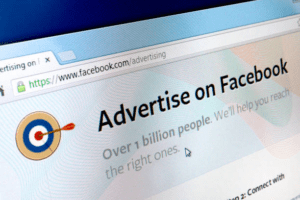
Facebook Ads are another popular option for bloggers because of their powerful audience targeting.
You can run blog ads that target people based on:
Interests
Demographics
Behaviors
Location
Age groups
Facebook allows you to pay either per impression (every time your ad is shown) or per click. Many bloggers prefer paying per click because it ensures you’re paying only when someone actually visits your blog.
Even a small campaign can drive meaningful traffic if your targeting is accurate and your ad is engaging.
Social Media Advertising

Beyond Facebook, most social platforms now offer advertising options.
Some of the most effective platforms for running blog ads include:
Twitter (X)
TikTok
Snapchat
YouTube
When using social media ads to promote your blog, keep these tips in mind:
Make sure your ads are mobile-friendly since most users browse on phones
Use short videos or animations to grab attention
Run A/B tests with different headlines, images, and audiences
Testing multiple versions of your ads helps you identify which campaigns actually drive readers to your blog.
Reddit Advertising
Reddit is one of the largest online communities, with millions of highly engaged users across thousands of niche subreddits.
The platform often has lower advertising costs than other networks, which makes it appealing for bloggers running smaller campaigns.
The key to success with Reddit blog ads is relevance—your content needs to genuinely match the interests of the subreddit audience.
Content Discovery Platforms
Another way to promote your blog is through content discovery networks like Outbrain or Taboola.
These platforms place your content as recommended articles on popular websites. You’ve probably seen them at the bottom of news articles labeled something like “Recommended for You.”
While these ads sometimes have a reputation for being clickbait-heavy, they can still work effectively if your blog ads are written with genuine value and curiosity.
Direct Sponsorships on Other Blogs
A more personal approach is buying ad space directly on another blog in your niche.
This could include:
Banner ads
Newsletter sponsorships
Sponsored content placements
Because the audience is already interested in similar topics, these blog ads can deliver highly targeted traffic to your site.
The Key Takeaway
Paid promotion doesn’t replace organic growth—it complements it.
Used wisely, blog ads can help you:
Build an initial audience faster
Test which topics attract readers
Drive targeted traffic to your content
The secret is to start small, experiment, and track your results carefully. Over time, you’ll discover which advertising channels deliver the best return for your blog.
Tips for Running Effective Blog Ads?

Running blog ads can be a great way to drive traffic and grow your audience faster—but only if you approach it strategically. Advertising without a clear plan can burn through your budget quickly with very little to show for it.
Over time, I’ve learned a few practical lessons that can help you get better results from your blog ads. These tips aren’t complicated, but they can make a big difference in how effective your campaigns are.
#1. Send Visitors to Landing Pages – Not Your Homepage

One common mistake bloggers make when running blog ads is sending traffic directly to their homepage.
While your homepage works well for regular readers who already know your content, it can feel confusing or random for someone clicking your ad for the first time.
A much better approach is to create a dedicated landing page designed specifically for ad traffic.
That page should focus on converting new visitors into loyal readers by:
#1. Highlighting your best content or most popular articles
#2. Explaining what your blog is about
#3. Showing the value readers will get from following you
#4. Including a clear call-to-action (such as subscribing to your newsletter)
When done right, this approach turns your blog ads into more than just traffic drivers—they become tools for building a long-term audience.
#2. Focus on Relevance (It’s More Important Than You Think)
If there’s one word that defines successful blog ads, it’s relevance.
In fact, three different parts of your campaign need to align perfectly:
#1. The website or platform displaying your ad
#2. The message in your ad
#3. The landing page visitors arrive on
When these three elements match, your ads feel natural to the audience and are far more likely to get clicks and conversions.
For example:
If your ad appears on a marketing blog, the message should speak to marketers.
The ad itself should clearly promise something valuable.
The landing page should immediately deliver on that promise.
When blog ads send users to pages that don’t match what the ad suggested, visitors feel misled—and they usually leave quickly without taking any action.
#3. Track Your Results Carefully
Advertising can be incredibly powerful, but it can also become expensive if you’re not tracking performance.
Whenever you run blog ads, make sure you know exactly what success looks like. Are you trying to:
#1. Increase email subscribers?
#2. Drive traffic to a specific article?
#3. Grow brand awareness?
Once you know your goal, use tracking tools (like analytics platforms or campaign tracking links) to measure how your ads perform.
A good strategy is to start small with a test campaign. Run a low-budget experiment, analyze the results, and adjust your approach.
If something works well, you can gradually increase your spending with confidence. If it doesn’t, you’ve learned something valuable without wasting too much money.
#4. Start Small and Optimize as You Go
The best way to succeed with blog ads is to treat them as ongoing experiments.
Test things like:
#1. Different headlines
#2. Various images or videos
#3. Multiple audience groups
#4. Different landing pages
Over time, you’ll discover what resonates most with your audience.
The goal isn’t just to drive traffic—it’s to build a system where your blog ads consistently attract the right readers and turn them into loyal followers.
More Practical Tips for Advertising Your Blog in 2026
Advertising a blog in 2026 looks a little different than it did a few years ago. Algorithms have changed, attention spans are shorter, and competition is higher. That means running blog ads today requires a smarter, more targeted approach.
The good news? With the right strategy, even a small budget can generate meaningful traffic and help you grow your audience faster. Here are some practical tips to make your blog ads more effective in 2026.
#5. Focus on Promoting Your Best Content

Instead of promoting your blog in general, promote specific high-value articles.
Readers are far more likely to click an ad that promises something useful like:
#1. A step-by-step guide
#2. A list of tools or resources
#3. A solution to a specific problem
For example, a blog ad that promotes “10 SEO Tips to Increase Website Traffic” will usually perform better than an ad that simply says “Visit My Blog.”
Promoting your strongest content first helps you attract readers who are genuinely interested in your topic.
#6. Use Short Video Ads

In 2026, video content continues to dominate online attention.
Short video blog ads often perform better than static images because they grab attention quickly while users scroll through social feeds.
You don’t need expensive production either. Simple videos work well, such as:
#1. A quick tip from your blog post
#2. A preview of the article’s main idea
#3. A short tutorial or visual explanation
The goal is to spark curiosity so viewers want to click and read the full article.
#7. Target Narrow, Highly Relevant Audiences
One mistake many bloggers make with blog ads is trying to reach everyone.
A better strategy is to target very specific audiences. For example:
#1. Digital marketers interested in SEO
#2. Freelancers interested in productivity
#3. Small business owners interested in online marketing
Narrow targeting helps ensure your ads reach people who are far more likely to engage with your content.
When the audience is right, your ad budget goes much further.
#8. Retarget Your Visitors
Not everyone who visits your blog will become a regular reader immediately.
That’s why retargeting ads are powerful. These ads show up for people who have already visited your blog but didn’t subscribe or return.
You can use retargeting to:
#1. Promote another article they might like
#2. Invite them to join your newsletter
#3. Offer a free resource or guide
Retargeting works well because these users already know your brand, making them more likely to engage.
#9. Use Lead Magnets in Your Ads
Another effective tactic in 2026 is pairing blog ads with a lead magnet.
Instead of simply promoting a blog post, you offer something valuable such as:
#1. A free checklist
#2. A downloadable guide
#3. A template or toolkit
Your ad encourages users to download the resource, which usually requires them to subscribe to your email list.
This approach turns paid traffic into long-term audience growth.
#10. Test Multiple Ad Creatives
One of the golden rules of advertising is never rely on just one ad.
Successful bloggers often run several versions of their blog ads at the same time. These variations might include different:
#1. Headlines
#2. Images or videos
#3. Calls to action
#4. Audience segments
This testing process (often called A/B testing) helps you quickly identify which ads perform best so you can focus your budget on the winners.
#11. Monitor Your Cost Per Result
It’s easy to get excited about traffic numbers, but what really matters is cost efficiency.
When running blog ads, track metrics such as:
#1. Cost per click (CPC)
#2. Cost per subscriber
#3. Cost per conversion
These metrics help you understand whether your advertising is actually delivering value.
Sometimes a campaign with fewer clicks can still perform better if it brings more engaged readers.
#12. Keep Improving Your Ads Over Time
Advertising is rarely perfect on the first attempt.
The most successful bloggers treat their blog ads as ongoing experiments. They continually refine their messaging, targeting, and landing pages based on what works best.
Even small improvements—like adjusting a headline or image—can significantly increase your results over time.
Paid promotion shouldn’t replace organic growth, but it can accelerate it dramatically when used strategically.
With the right targeting, compelling content, and consistent testing, blog ads can become a powerful tool for attracting new readers, growing your email list, and building momentum for your blog in 2026.
Conclusion
Advertising your blog isn’t a magic solution but when used wisely, it can be a powerful way to accelerate your growth.
While organic strategies like SEO, social sharing, and consistent content creation should always be the foundation of your blogging strategy, blog ads can help you reach new audiences faster and give your content the visibility it deserves.
The key is to approach advertising strategically. Instead of throwing money at random campaigns, focus on promoting your best content, targeting the right audience, and sending visitors to well-designed landing pages. Combine that with careful tracking and small test campaigns, and your blog ads can become a smart investment rather than an unnecessary expense.
It’s also important to remember that advertising works best when it complements your existing efforts. When great content, strong SEO, and targeted promotion come together, your blog has a much better chance of gaining traction and building a loyal readership.
Start small, experiment often, and keep refining your approach. Over time, you’ll discover which strategies work best for your niche and how blog ads can play a valuable role in growing your blog and expanding your audience.
Related post: Proven Ways To Get Ads On Your Blogs: 4 Smart Strategies That Boost Your Income